Most charity golf tournaments follow the same script. One nonprofit, one field of foursomes, a silent auction, and a check presentation at the end. The Generosity Cup at Red Sky Golf Club in Colorado’s Vail Valley flipped that script, and the results speak for themselves: $285,000 raised in a single afternoon this July, more than double what the event brought in during its first year.
The twist that makes it work? The charities themselves are the competitors.
A Format Built on Friendly Rivalry
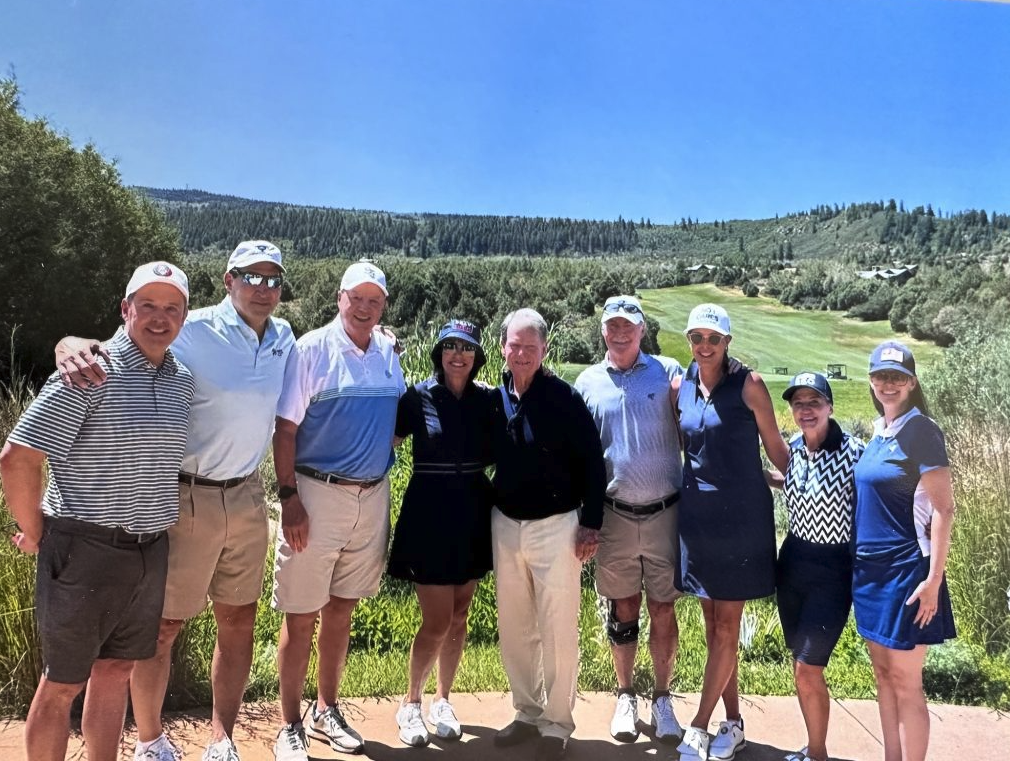
Instead of playing for one cause, the 2026 Generosity Cup fielded two teams for each of nine Vail Valley nonprofits, plus four independent squads, for 22 teams and 88 players in total. Red Sky turned over its Tom Fazio course for the afternoon of July 21, and every charity teed off knowing a strong finish meant a bigger share of the pot.
The stakes were real but the floor was generous. Every participating organization walked away with at least $25,000, with the top finishers earning more. Evans Scholars claimed the 2026 trophy in dramatic fashion, winning a scorecard playoff over Young Life, with the Eagle Valley Community Foundation taking third.
From a Late-Night Text Thread to a Six-Figure Event
The tournament is the brainchild of Trey Little and Kyle Van. Little serves as president of the Houston office of the National Christian Foundation, a grantmaking organization that helps donors direct money to charities, ministries, and churches. NCF runs an annual giving push called Generous July, and Little saw an opportunity to move the campaign somewhere cooler than a Texas summer: Colorado, where many of the foundation’s donors spend the season.
Van supplied the venue idea, Red Sky Ranch, and something more valuable: the competitive format. Rather than adding one more tournament to a crowded calendar, he proposed pitting local charities against each other on the course and raising money for all of them at once. He texted contacts at eight local nonprofits that same night. Within 24 hours, all eight were in.
Expectations started modest. Van figured the first event might clear $20,000 or $30,000. Barry Davis, a friend involved with the Dallas-based men’s ministry BetterMan, pushed the pair to aim for $75,000 to $100,000 instead. The 2025 debut, played with 12 teams, blew past even that number and finished at $137,000.
For 2026, the field grew again. Eric Reinhardt, a supporter of Junior Achievement, asked whether his organization could join, bringing the charity count to nine and the team count to 22. The stretch goal was set at $250,000. The event beat it by $35,000. As Van put it afterward, the generosity proved contagious, driven in large part by out-of-state summer residents who consider the Vail Valley a second home.
A Surprise Masterclass From Tom Watson
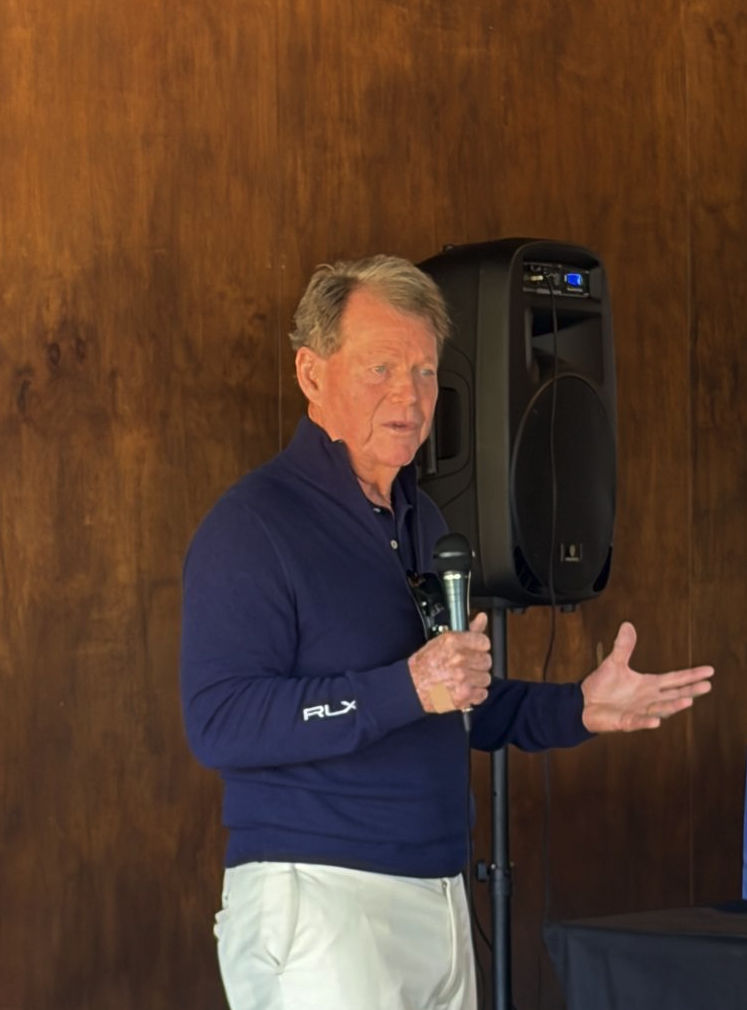
The day opened with burgers and hot dogs on the range, introductions of the nine charities, and then something no organizer can plan for: an eight-time major champion in a giving mood.
Tom Watson, fresh off a trip to the British Open, declined an invitation to actually play. Instead, the six-time PGA Player of the Year spent about 30 minutes speaking to the field and taking questions. He told stories about learning the game from his father, a devoted historian of golf, and joked about the family phone ringing with calls from Arnold Palmer and Jack Nicklaus looking to set up rounds when he was a rising young star. His parting advice to the players was simple: go have fun out there. He then posed for a photo with every one of the 22 teams before the shotgun start.
Why the Money Followed the Format
There’s a lesson here for anyone who runs or sponsors charity golf. The Generosity Cup solved two problems that quietly cap most fundraising tournaments.
First, it pooled audiences instead of splitting them. Nine nonprofits each brought their own donors, board members, and volunteers to a single event, which meant nine networks of givers in one room instead of nine separate tournaments competing for the same calendar dates and the same wallets.
Second, it gave donors a reason to care about the leaderboard. When a team’s finish determines how much its charity takes home, every putt carries a purpose, and supporters who might skip a generic scramble show up to defend their cause.
The community impact extends past the final scorecard. Ben Dodds, area director for Vail Valley Young Life, pointed to the middle and high school students who will benefit, and to the rare sight of nine local nonprofits being celebrated together on the same stage. John Welaj, executive director of Habitat for Humanity Vail Valley, noted that the participating organizations already collaborate throughout the year, and that a day spent together on the course creates a ripple effect of partnerships that outlasts the event itself.
The Nine Beneficiaries
The 2026 Generosity Cup raised money for the 4 Eagle Foundation, Ascend, the Eagle Valley Community Foundation, Habitat for Humanity Vail Valley, BetterMan, Evans Scholars, Junior Achievement, the Vail Veterans Program, and Vail Valley Young Life.
What Comes Next
Little and Van aren’t waiting to build on the momentum. The next Generosity Cup is already on the calendar for July 20, 2027, back at Red Sky. If the tournament doubles its total again, a single afternoon of golf in the Rockies will be pushing toward $600,000 for local causes. Little credits the 88 players who committed to the event and a simple idea behind it all: one event, nine charities, and a community that decided it’s better together.
This story is based on original reporting by Tricia Swenson for the Vail Daily.